Decorative Elements
Objects in a room create conversation. A ceramic vessel, a stack of books, a piece of aged wood—each element contributes to the overall composition. We consider not only what objects are present, but how they relate to the space around them, to one another, and to the light that moves through the room.
Object Placement
Placement is everything. An object placed too close to another creates visual tension. An object placed too far creates isolation. We seek the space between—the distance that allows each element to breathe while maintaining relationship with others.
We consider visual weight. A large ceramic vessel may balance a group of smaller objects. A stack of books may anchor a composition. A single, carefully chosen object may provide the necessary pause in an otherwise busy arrangement.
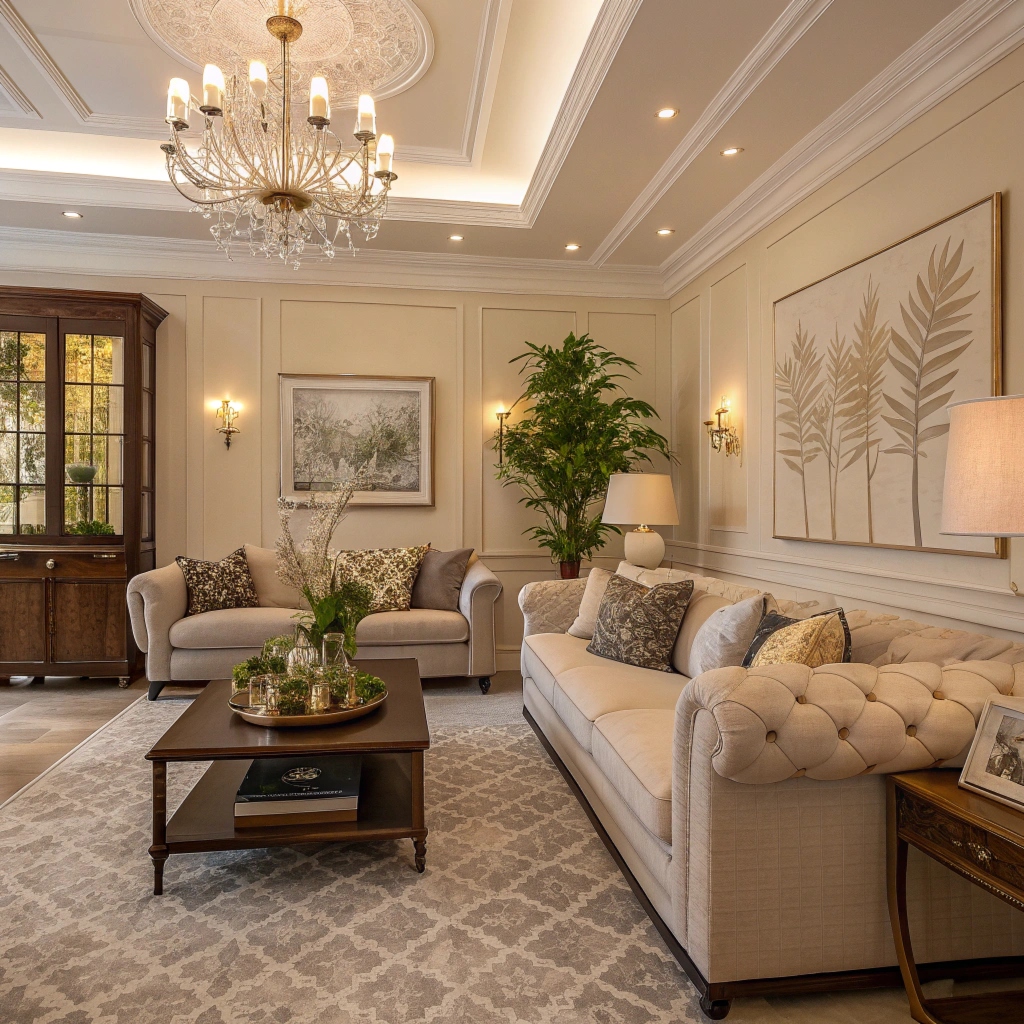
Finding the right distance between objects
Material Relationships
Objects made from different materials create visual interest through contrast. Rough textures against smooth surfaces, matte finishes beside reflective ones, organic forms alongside geometric shapes. These contrasts create depth and complexity without overwhelming.
We consider how materials age. A ceramic vessel will develop patina over time. A piece of wood will show wear. A brass object will tarnish. These changes are not flaws; they are part of the object's story, part of how it settles into a space.
Functional Objects as Decoration
Not all decorative elements are purely decorative. Books serve a function while contributing to visual composition. Vessels may hold objects while providing form and texture. Functional objects, when chosen and placed thoughtfully, become part of the decorative language of a space.
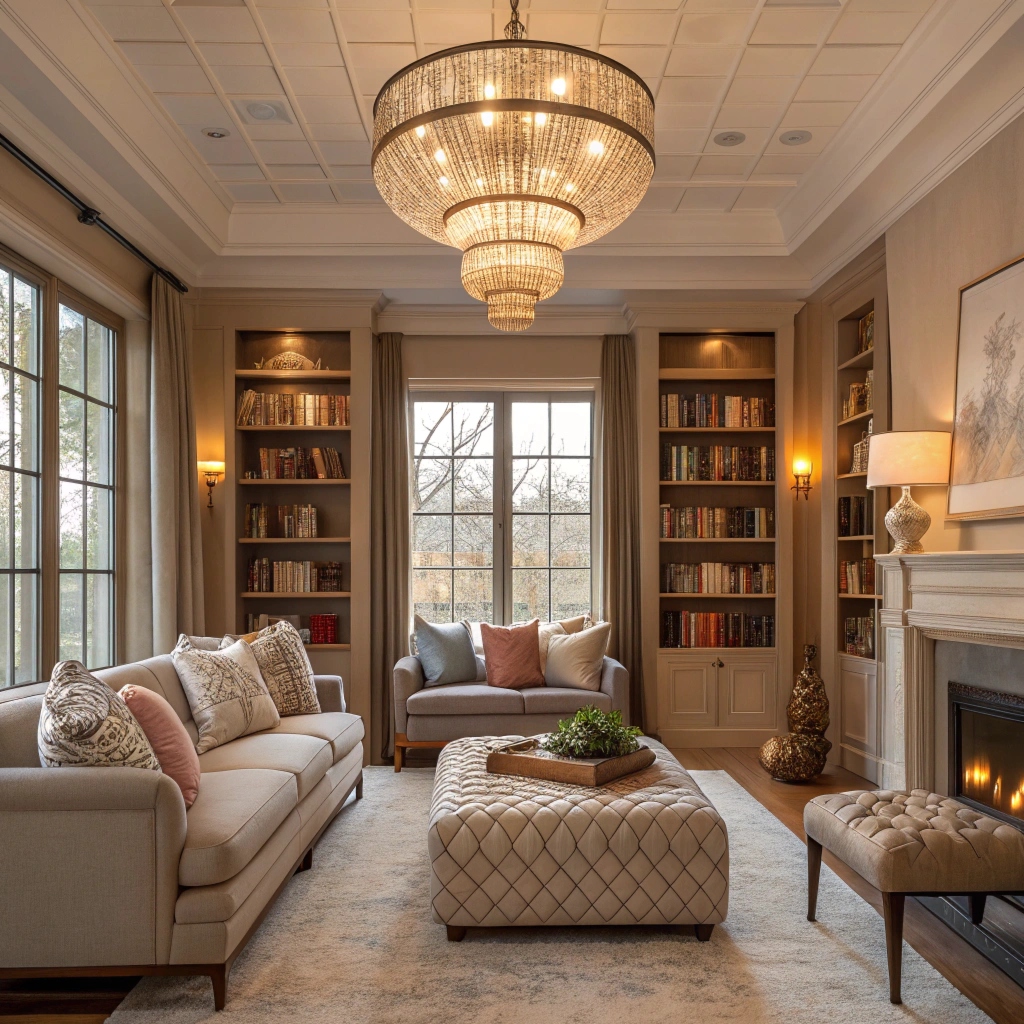
Function and form in harmony
Restraint in Selection
We work with restraint. Too many objects create visual noise. Too few create emptiness. We seek the balance—enough elements to create interest, not so many that the eye cannot rest. Each object must earn its place, must contribute meaningfully to the composition.
This restraint extends to the types of objects we choose. We favour natural materials, simple forms, objects with history and character. We avoid the overly decorative, the purely ornamental, the objects that shout rather than whisper.
Decorative elements, when chosen and placed with care, become part of the spatial language. They contribute to atmosphere, to visual rhythm, to the overall sense of a room. They are not additions; they are integral parts of the composition.
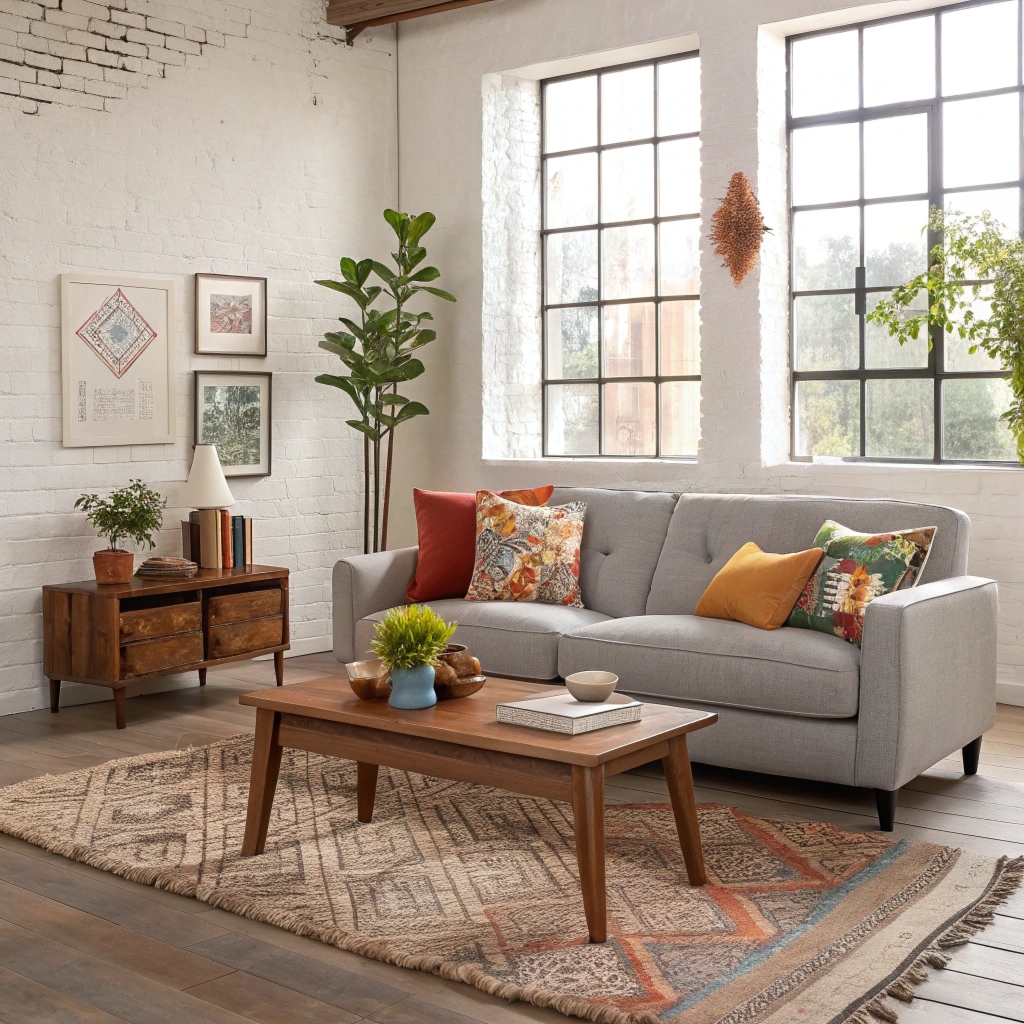
Selection
We select objects with intention, favouring natural materials, simple forms, and objects with history and character. Each object must earn its place.
Placement
Placement is everything. We consider visual weight, relationship to other elements, and the space between objects. The right distance allows each element to breathe.
Composition
Objects work together to create visual rhythm. Groups create interest, pauses create rest. The composition guides the eye while maintaining harmony.
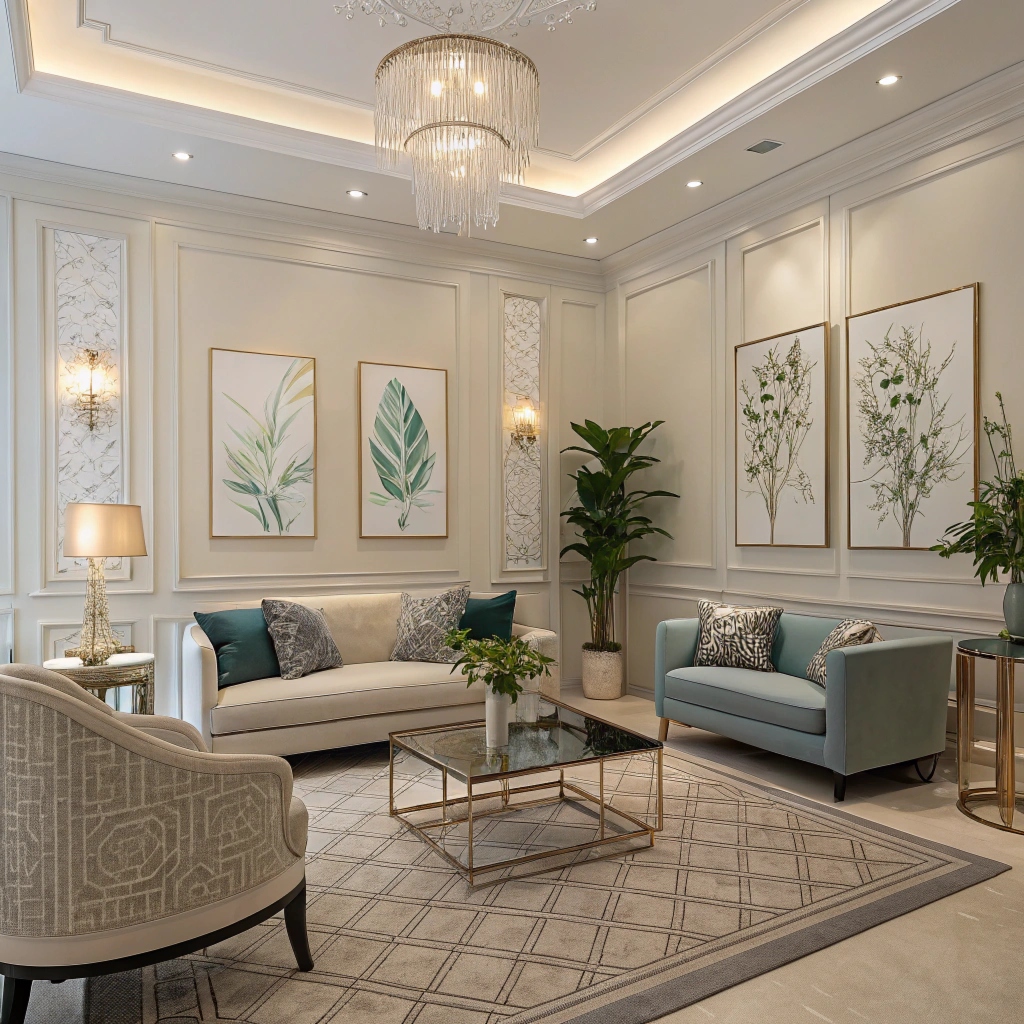
Function and Form
Not all decorative elements are purely decorative. Books serve a function while contributing to visual composition. Vessels may hold objects while providing form and texture.
Functional objects, when chosen and placed thoughtfully, become part of the decorative language of a space. They bridge the gap between utility and beauty.
Ceramic Vessels
Simple forms with matte glazes provide quiet presence and textural interest.
Natural Wood
Aged wood pieces bring warmth and character, showing the beauty of natural aging.
Textile Layers
Woven textiles add softness and depth, creating visual and tactile interest.
The Art of Placement
Placement is everything in decorative styling. An object placed too close to another creates visual tension. Too far, and it feels isolated. We seek the space between—the distance that allows each element to breathe while maintaining relationship with others.
This understanding comes from observation. We study how objects relate in natural settings, how they settle into spaces, how they find their place. This observational approach ensures our placements feel authentic and appropriate.