Spatial Balance
Spatial balance is the relationship between objects and the space around them. It is the rhythm of a room, the pauses between elements, the visual weight of objects. We consider not only what is present, but what is absent—the negative space that allows elements to breathe.
Observation
We begin by observing the space. How does light move through it? What are its proportions? What is the existing rhythm? This observation period is essential—we cannot create balance without understanding the space first.
Assessment
We assess visual weight. Which elements are heavy? Which are light? How do they relate to one another? This assessment informs our placement decisions, helping us understand where objects should be positioned.
Composition
We compose with intention. Each placement is considered, each relationship deliberate. We create visual rhythm through repetition and variation, through grouping and isolation, through density and openness.
Refinement
We refine through observation. Does the composition feel balanced? Are there moments of rest? Is there visual flow? We adjust until the space feels harmonious, until each element has found its place.
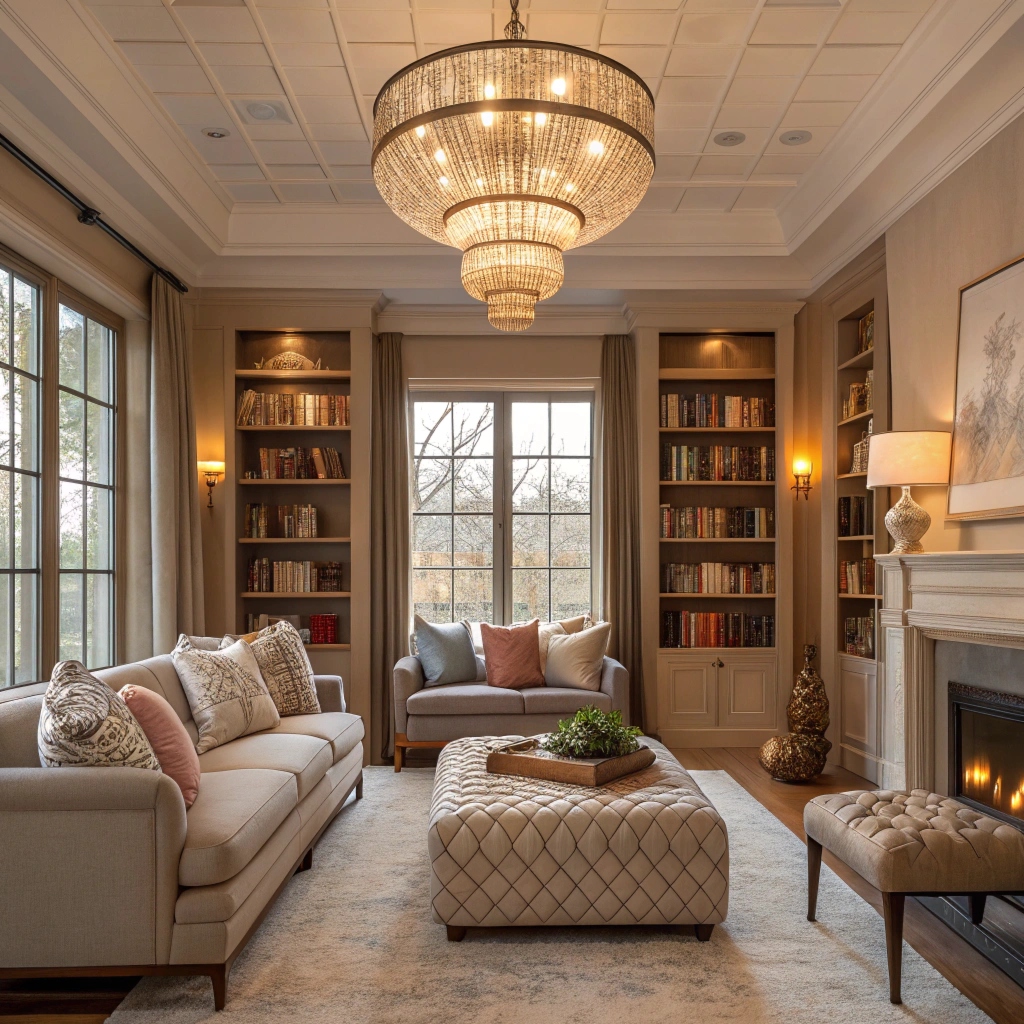
Balance through observation and composition
Visual Rhythm
Visual rhythm is created through repetition and variation. A group of objects creates rhythm. The space between groups creates pause. This rhythm guides the eye through a space, creating flow and movement.
We consider the pace of this rhythm. Too fast, and the eye cannot rest. Too slow, and the space feels empty. We seek the balance—enough rhythm to create interest, enough pause to allow rest.
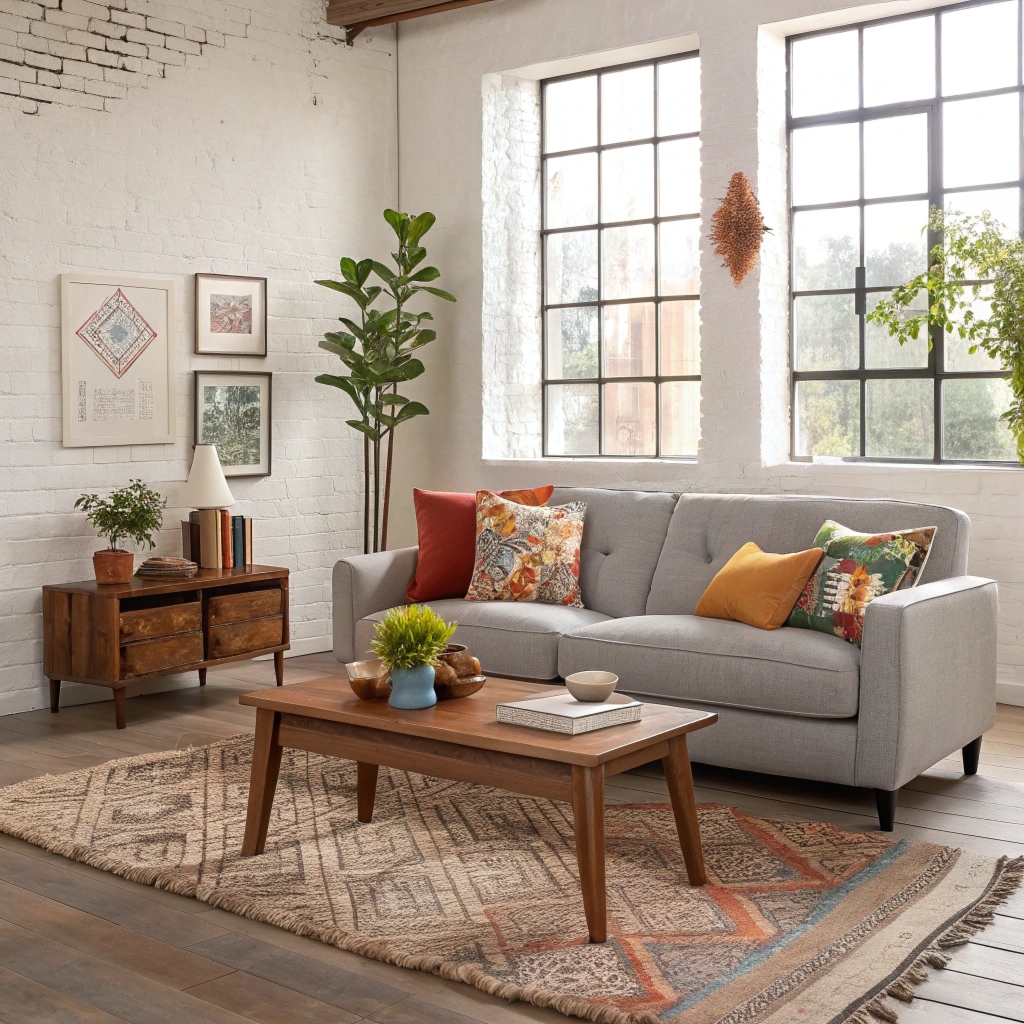
Rhythm and pause in composition
Negative Space
Negative space is as important as positive space. The areas between objects, the empty surfaces, the pauses in composition—these create rest for the eye, allowing elements to be observed individually and as part of a whole.
We consider negative space carefully. Too little, and the composition feels crowded. Too much, and it feels empty. The right amount of negative space allows each element to have presence while maintaining relationship with others.
Visual Weight
Objects have visual weight. A large object may balance a group of smaller ones. A dark object may balance a group of light ones. A textured object may balance a group of smooth ones. Understanding visual weight helps us create balanced compositions.
We consider not only the physical weight of objects, but their visual weight—how they appear in the space, how they relate to light, how they function within the composition. This understanding guides our placement decisions.
Asymmetrical Balance
Balance does not always mean symmetry. Asymmetrical compositions can feel balanced when visual weight is distributed thoughtfully. A large object on one side may balance a group of smaller objects on the other. This asymmetry creates visual interest while maintaining harmony.
We work with both symmetrical and asymmetrical compositions, choosing the approach that feels appropriate to the space and its inherent qualities. The goal is always balance, whether achieved through symmetry or asymmetry.
Spatial balance is not a formula; it is a practice of observation and response. We observe the space, understand its qualities, and compose with intention. The result is a room that feels balanced, harmonious, and true to its character.
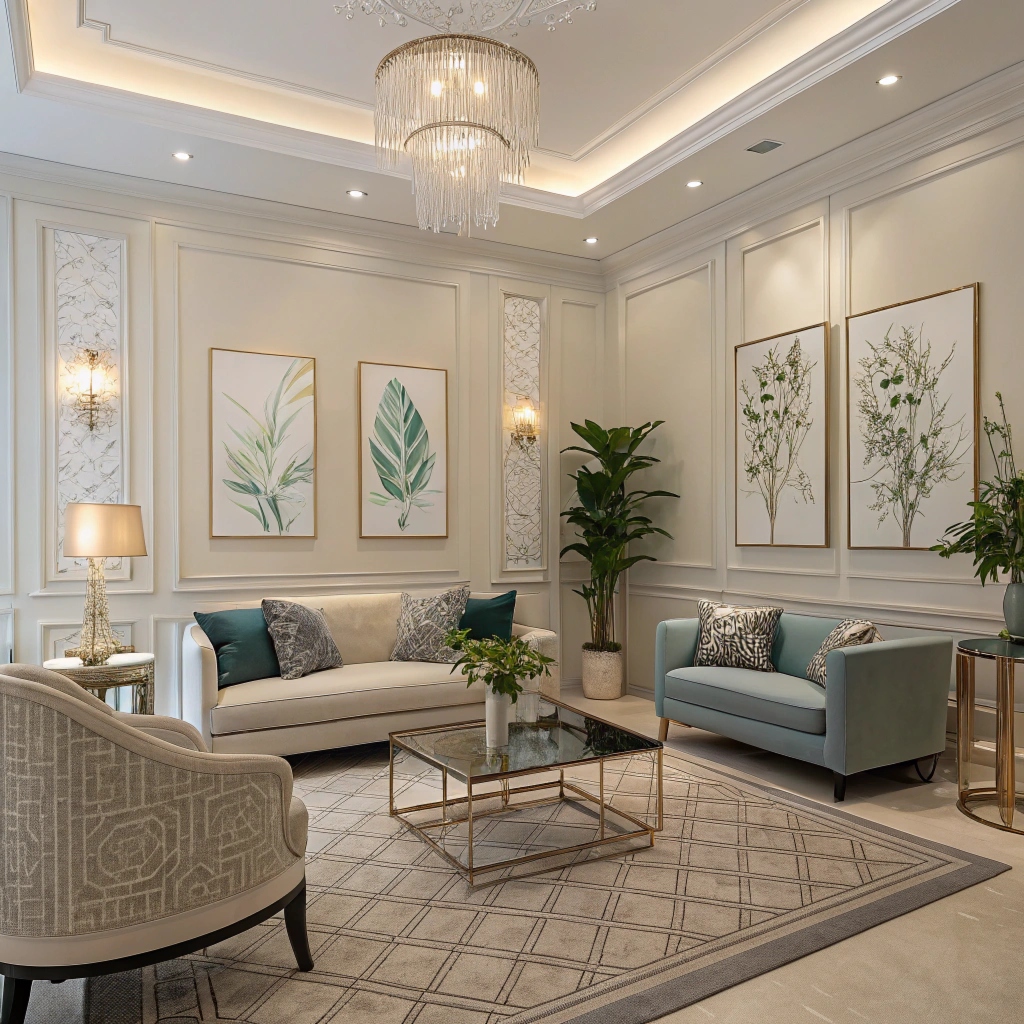
Visual Weight
Understanding visual weight helps us create balanced compositions. Large objects balance groups of smaller ones, dark objects balance light ones.
Negative Space
Negative space is as important as positive space. The areas between objects create rest for the eye and allow elements to be observed individually.
Asymmetrical Balance
Balance does not always mean symmetry. Asymmetrical compositions can feel balanced when visual weight is distributed thoughtfully.
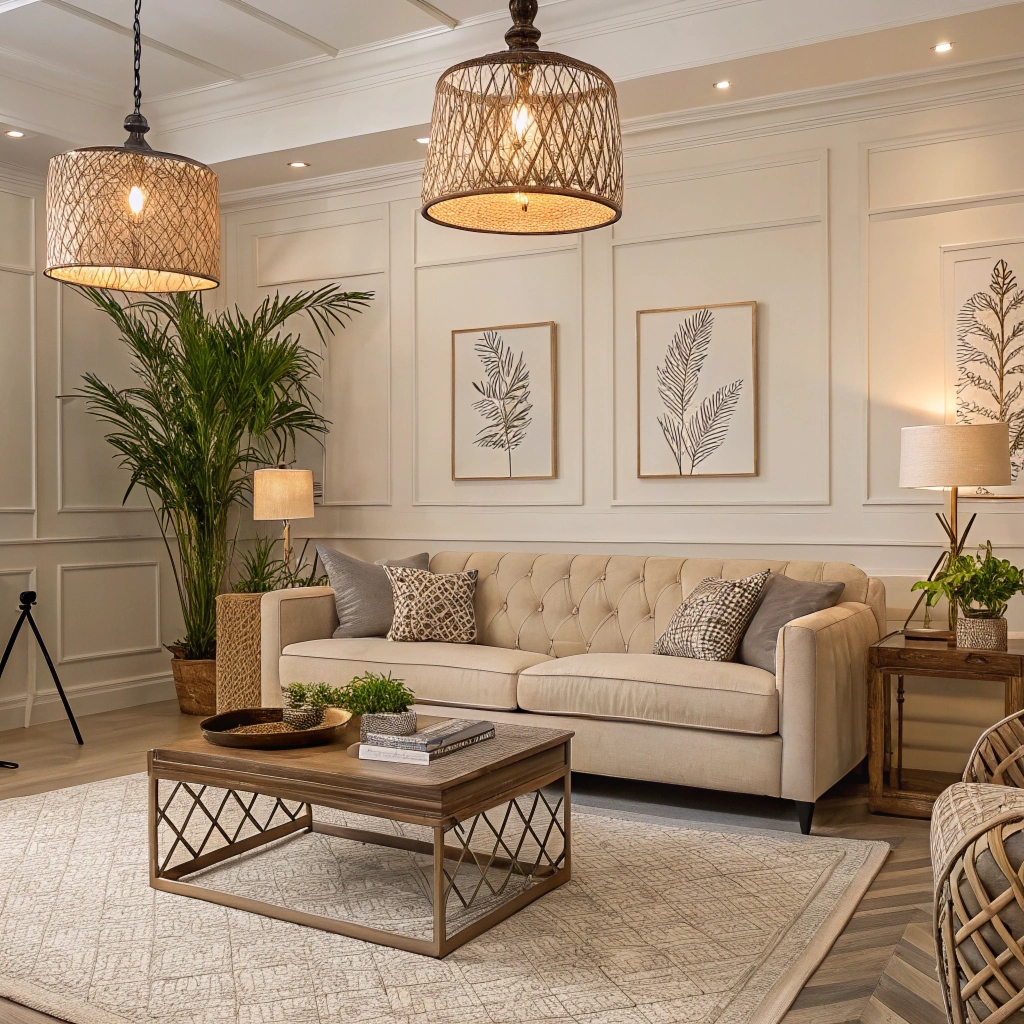
Rhythm and Flow
Visual rhythm is created through repetition and variation. A group of objects creates rhythm. The space between groups creates pause. This rhythm guides the eye through a space, creating flow and movement.
We consider the pace of this rhythm. Too fast, and the eye cannot rest. Too slow, and the space feels empty. We seek the balance—enough rhythm to create interest, enough pause to allow rest.
Visual Weight Distribution
Understanding how objects carry visual weight helps us create balanced compositions. Large objects balance groups of smaller ones, dark objects balance light ones.
Negative Space Management
The areas between objects are as important as the objects themselves. Proper negative space allows elements to breathe and be observed individually.
Asymmetrical Harmony
Balance does not require symmetry. Thoughtful distribution of visual weight can create harmony through asymmetry, adding visual interest while maintaining balance.
The Space Between
Negative space is not emptiness—it is an active element in composition. The space between objects creates rhythm, allows rest, and gives each element presence. We consider negative space as carefully as we consider the objects themselves.
Too little negative space creates crowding. Too much creates isolation. The right amount allows each element to be observed individually while maintaining relationship with others. This balance is achieved through observation and refinement.