Interior Styling as Editorial Practice
Interior styling, when approached with editorial sensibility, becomes a practice of observation and composition. We do not transform spaces; we observe them, understand their inherent qualities, and work with those qualities to create visual harmony.
Each room presents a set of conditions: the way light enters through windows, the proportions of the space, the existing materials and surfaces. These conditions inform every decision we make. We do not impose a style; we respond to what is already present.
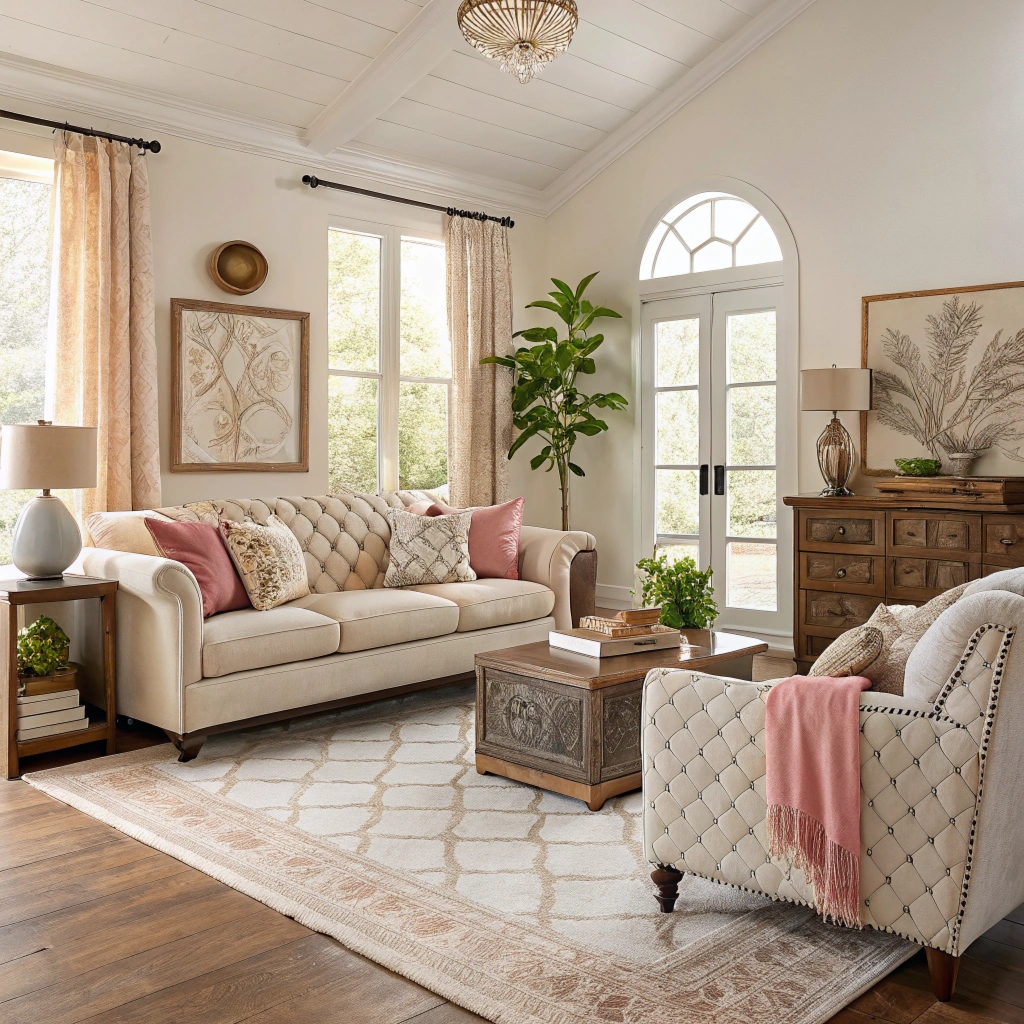
Observing how objects relate to space
The process begins with observation. We spend time in a space, noting how light moves throughout the day, how surfaces respond to different conditions, how the room feels at various times. This observational period is essential. It allows us to understand the character of the space before we begin to work with it.
Once we understand the space, we consider composition. How do objects relate to one another? What is the visual weight of each element? Where are the pauses, the moments of rest? These questions guide our placement decisions.
We work with a limited palette of materials and colours. This limitation is intentional. It allows each element to have presence, to contribute meaningfully to the overall composition. Too many competing elements create visual noise. Restraint creates clarity.
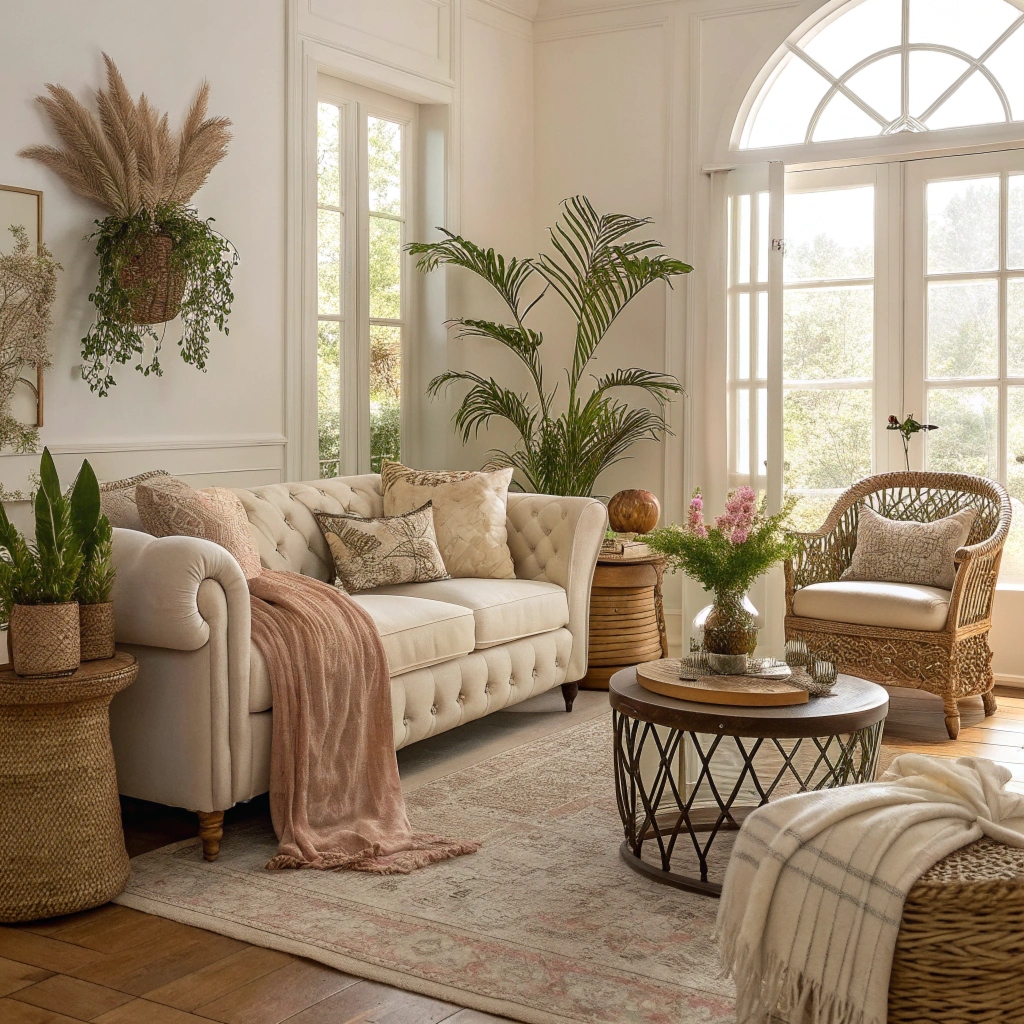
Restraint in composition
Atmosphere is not something we create; it is something we allow to emerge. By working with the existing qualities of a space, by choosing objects and materials that feel appropriate to the context, atmosphere develops naturally. It is the result of careful observation and considered composition, not of forced transformation.
This approach requires patience. It requires the ability to observe without immediately seeking to change. It requires understanding that sometimes the most effective intervention is the smallest one—moving a single object, adjusting a placement, allowing light to do its work.
Interior styling, in this sense, is less about decoration and more about understanding. We seek to understand spaces, to work with their inherent qualities, and to create compositions that feel both intentional and effortless.
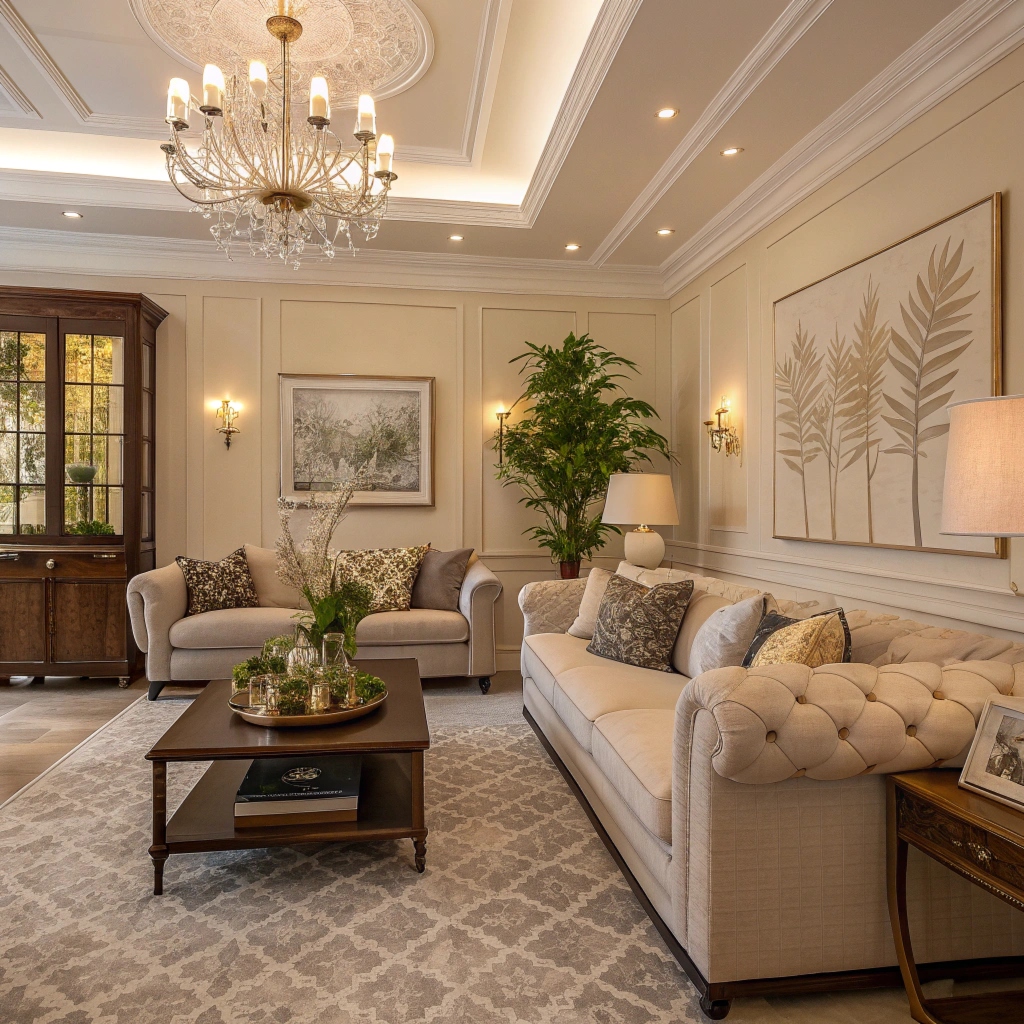
Material Selection
We favour natural materials that age gracefully, that develop character over time. These materials tell a story, they settle into spaces, they become part of the room's character.
Each material choice is deliberate, informed by observation and understanding of how materials respond to light, how they age, and how they contribute to atmosphere.
Light and Atmosphere
Light is fundamental to our approach. We observe how light moves through a space, how it changes throughout the day, and how it affects our perception of materials and colours. This understanding informs every decision we make.
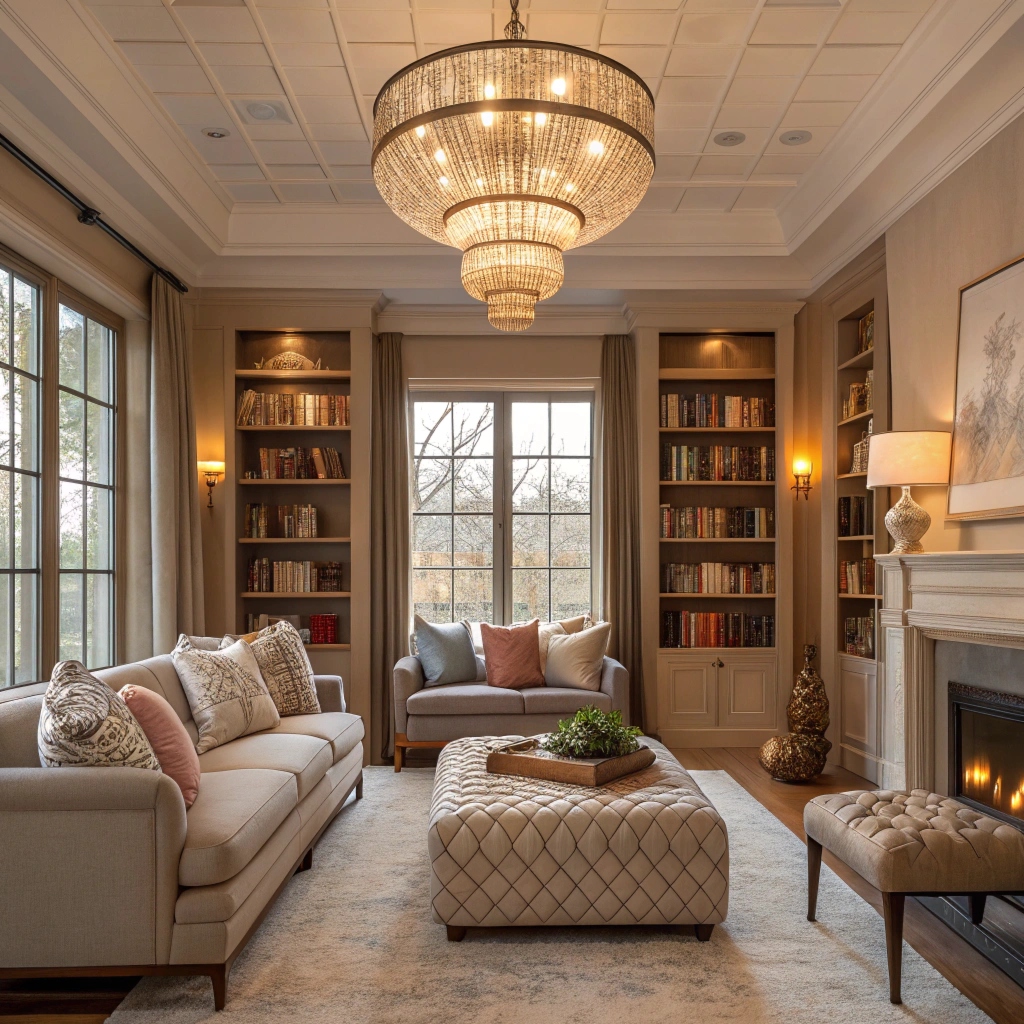
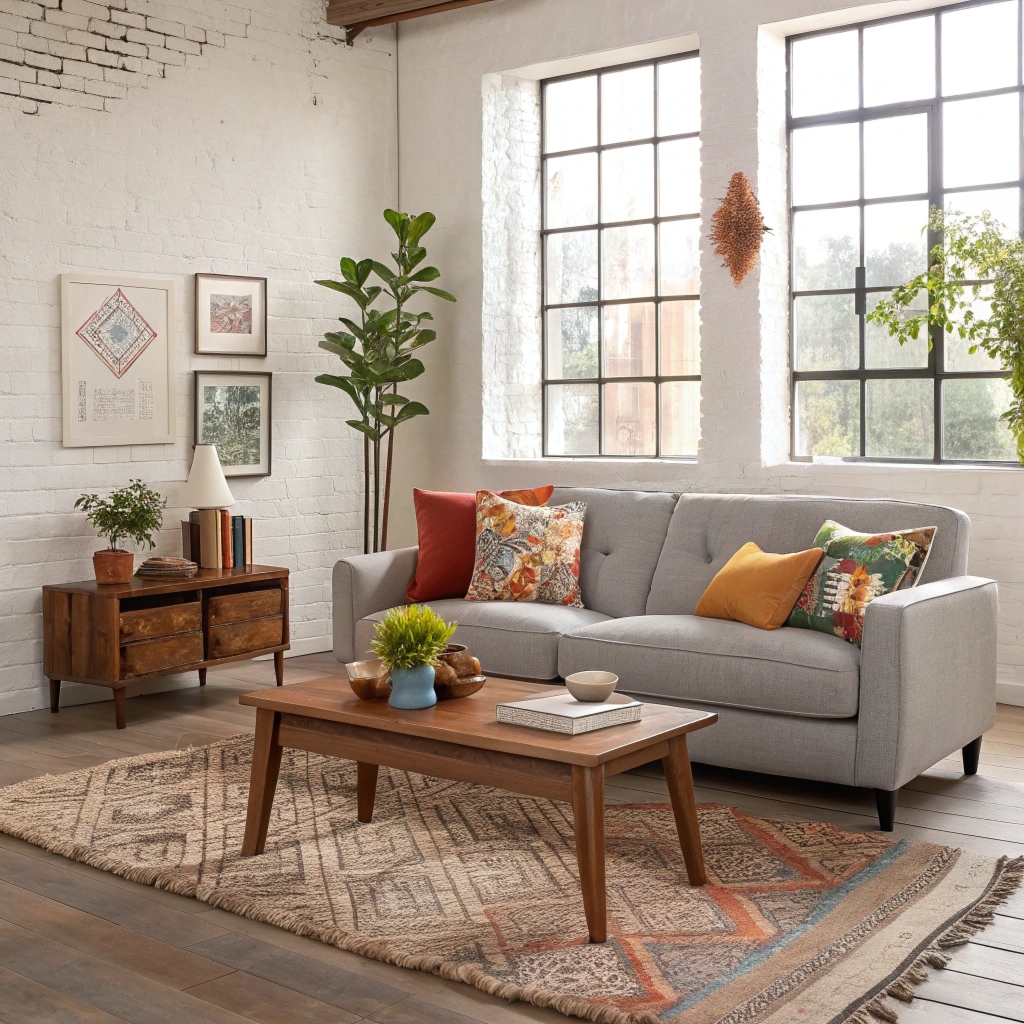
Textural Depth
Surfaces and textures create visual interest through contrast and variation.
Restraint
Working with restraint allows each element to have presence and meaning within the composition.
Observation
Observation precedes action. We understand before we compose.
The Practice of Patience
Interior styling requires patience. We observe, we consider, we wait. This patience allows us to understand spaces deeply, to make decisions thoughtfully, to create compositions that feel both considered and effortless. Rushing leads to mistakes; patience leads to understanding.
We take time to understand how light moves, how materials respond, how objects relate. This understanding cannot be rushed. It emerges through observation and reflection.