Drizelonphran

Observations on space, light, and the objects that inhabit rooms

We approach interior styling as a practice of observation. Each space presents its own dialogue between form, function, and atmosphere. Our work considers how materials settle into their surroundings, how light moves through a room, and how objects find their place within a composition.

This is not about transformation or renovation. It is about understanding the existing character of a space and working with its inherent qualities to create visual harmony and spatial balance.

Interior Styling

Approach to Styling

Interior styling begins with observation. We study how light enters a room, how surfaces respond to different times of day, and how objects relate to one another. This observational approach informs every decision we make.

We consider the rhythm of a space—the pauses between elements, the flow of movement, the visual weight of objects. Each placement is considered, each material choice deliberate. The result is a space that feels both intentional and effortless.
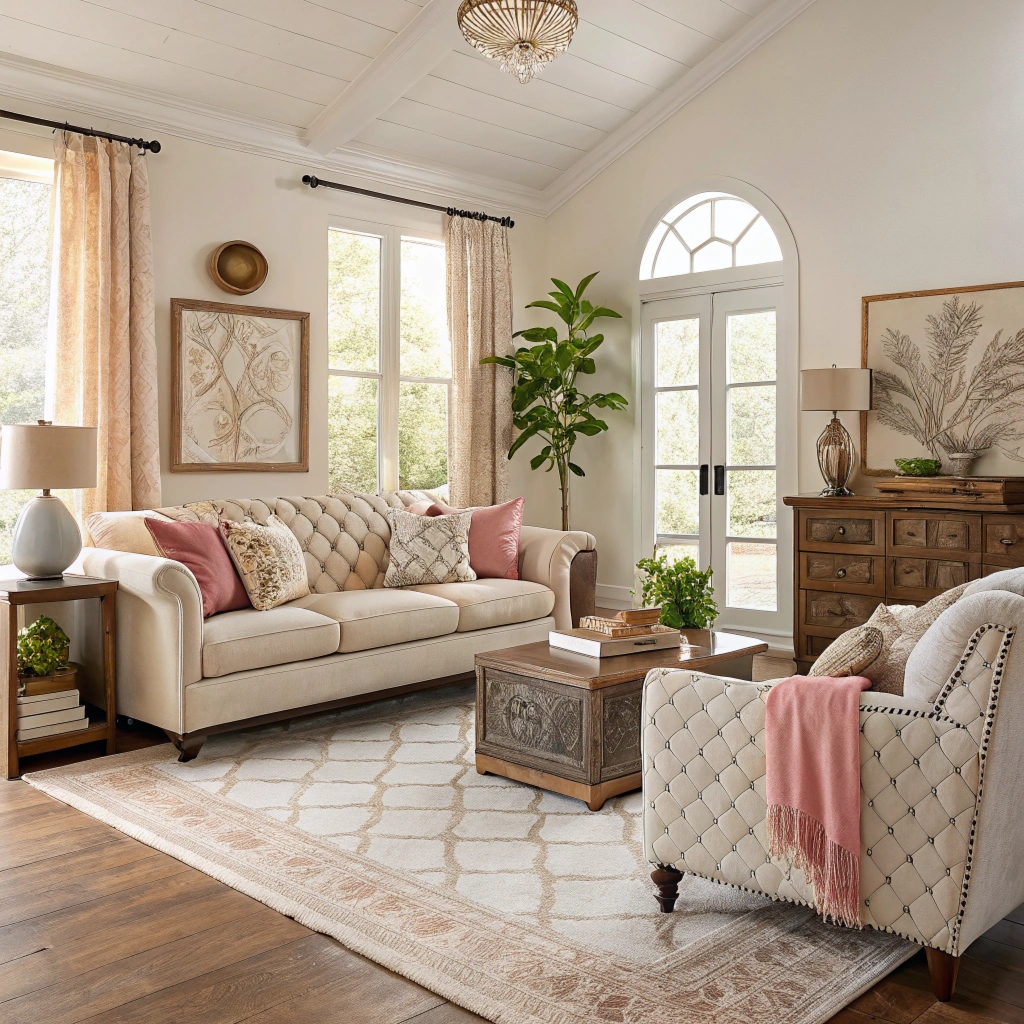
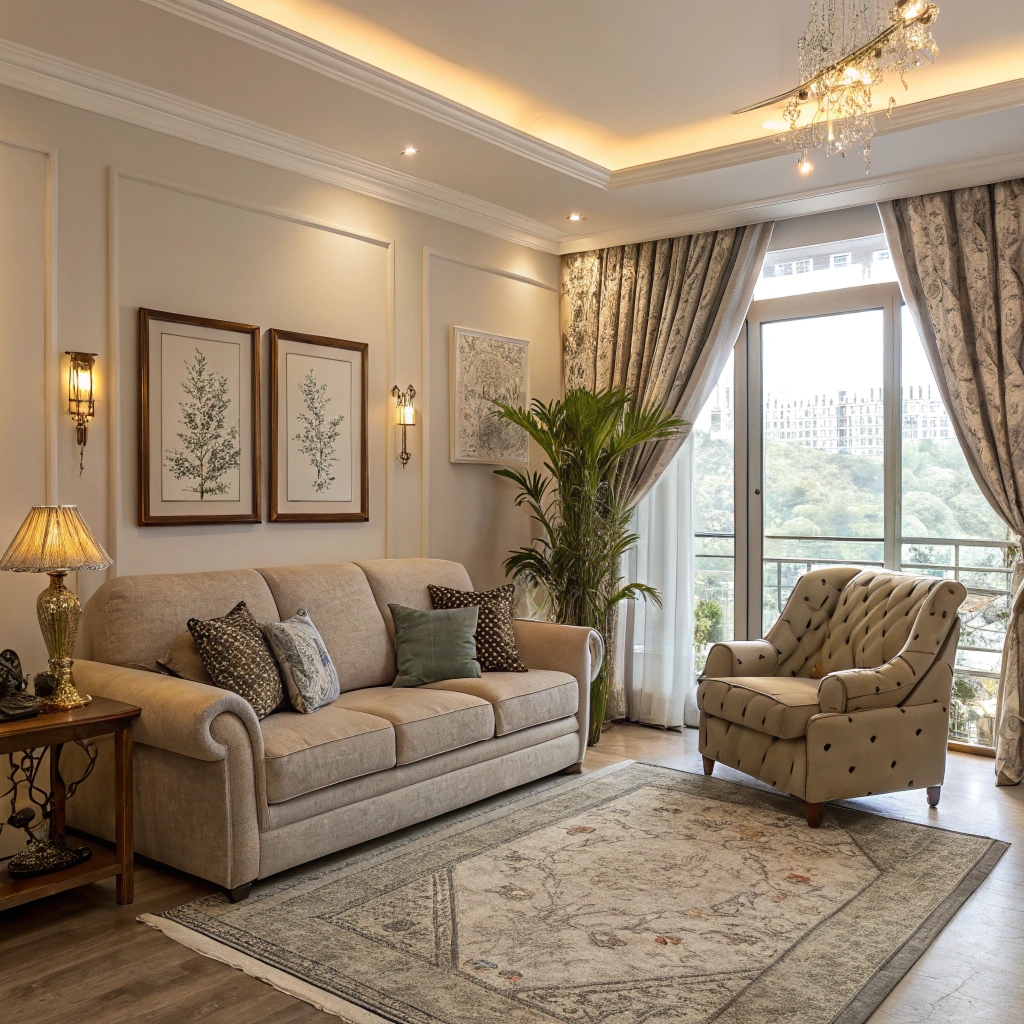
Sunlit interior with soft furnishings

Morning light through linen curtains
Explore our styling philosophy

Colour

Colour Composition

Colour in interior styling functions as both anchor and accent. We work with a palette that reflects natural light, aged materials, and the subtle shifts of tone that occur throughout the day.

Soft Ochre

A warm, muted yellow that carries the quality of afternoon sunlight

Warm Linen

The base tone of natural fabrics and sun-bleached walls

Muted Olive

An accent that brings depth without overwhelming

Study our colour approach

Elements

Decorative Elements

Objects in a room create conversation. A ceramic vessel, a stack of books, a piece of aged wood—each element contributes to the overall composition. We consider not only what objects are present, but how they relate to the space around them.

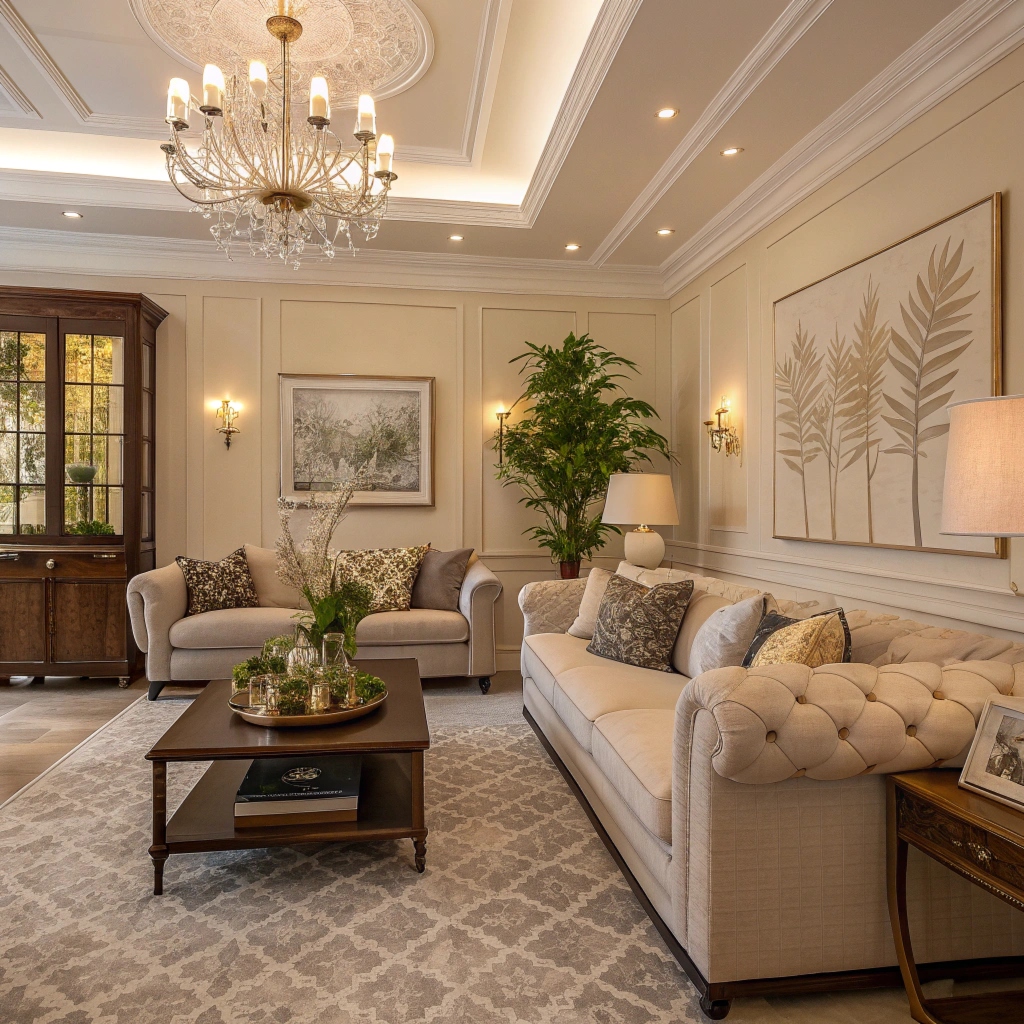
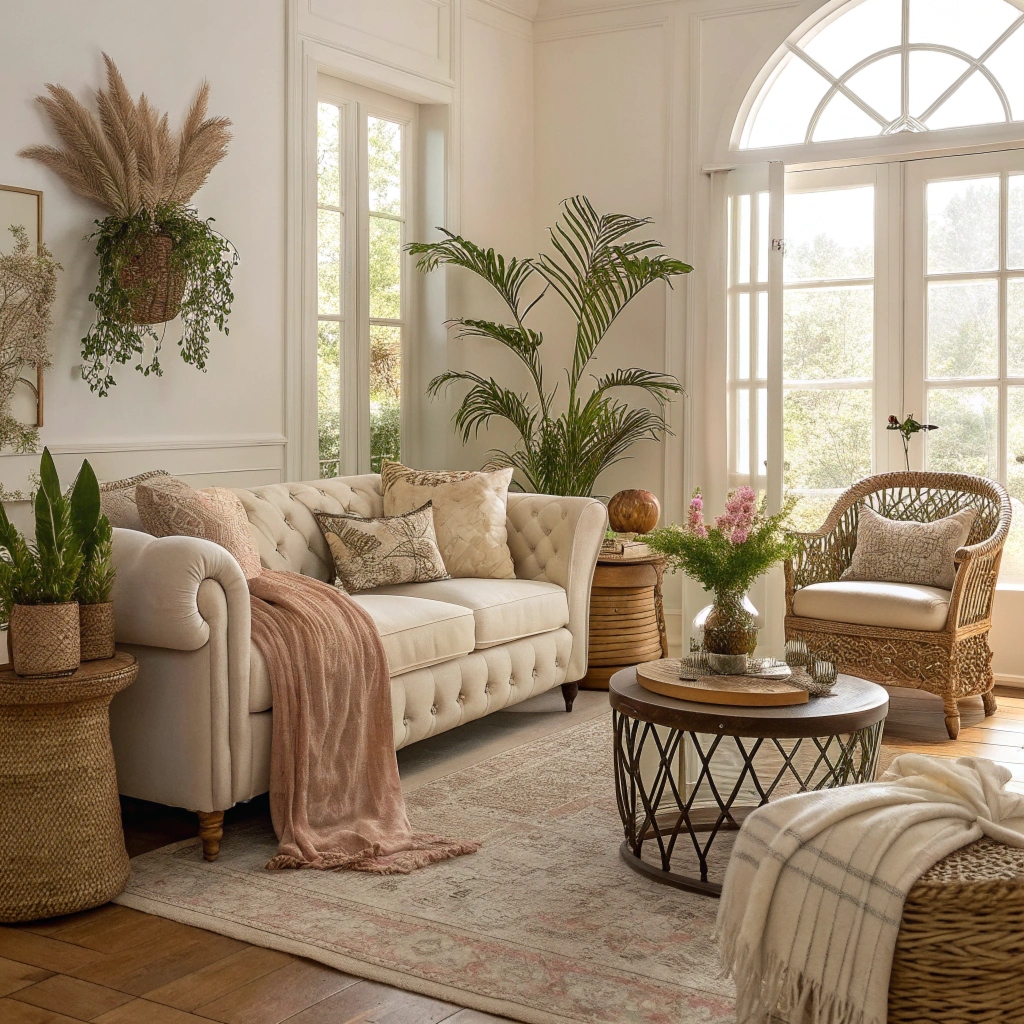
Decorative objects arranged on a surface

Objects finding their place

View decorative approaches

Materials

Materials and Textures

The tactile quality of materials informs how we experience a space. Rough textures against smooth surfaces, matte finishes beside reflective ones—these contrasts create visual interest and depth.

Natural Linen

Breathable, textural, responds to light with subtle variation

Aged Wood

Warm tones, visible grain, patina that tells a story

Ceramic Surfaces

Matte glazes, organic forms, quiet presence

Brass Accents

Sun-warmed tones, soft reflection, aged elegance

Explore material library

Spaces

Styled Spaces

Each space we work with has its own character. We observe, we consider, we compose. The result is a room that feels balanced, harmonious, and true to its inherent qualities.

View styled spaces

Process

Our Process

Initial Consultation

We begin with observation, understanding your space and its inherent qualities. This initial period allows us to understand the character of your environment.

Composition Development

Through careful consideration of materials, colours, and spatial relationships, we develop a composition that feels both intentional and effortless.

Refinement

We refine through observation, adjusting placements and relationships until the space achieves visual harmony and spatial balance.

Features

What We Offer

Observation

We observe spaces deeply, understanding light, proportion, and existing character before making any decisions.

Composition

Every placement is considered, every relationship deliberate. We create visual rhythm through careful arrangement.

Restraint

We work with restraint, allowing each element to have presence and meaning within the overall composition.

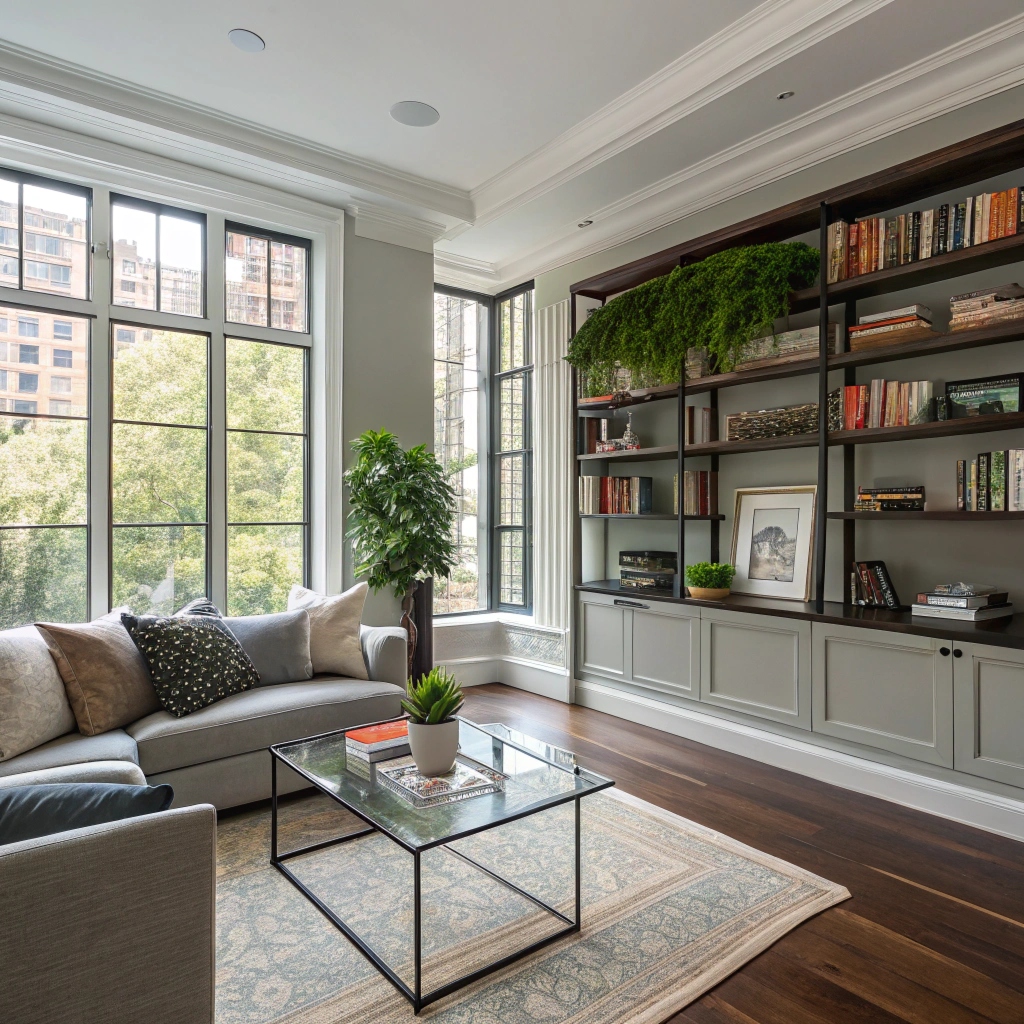
Interior styling approach

Editorial Sensibility

Our approach is editorial in sensibility. We think about composition, visual rhythm, and the relationship between elements. We consider not only what is present, but what is absent—the negative space that allows elements to breathe.

This editorial approach informs every decision we make, from material selection to object placement. The result is interior styling that feels both considered and natural.

Insight

Light Observation

We study how natural light transforms spaces throughout the day, creating dynamic compositions that respond to changing conditions.

Material Patina

Natural materials develop character over time. We embrace this aging process, understanding that patina adds depth and authenticity.

Spatial Rhythm

Every space has its own rhythm. We observe and work with this rhythm, creating compositions that feel both intentional and natural.

Editorial Philosophy

Our approach is rooted in editorial thinking. We consider composition, visual hierarchy, and the relationship between elements. Each space becomes a carefully composed narrative, where every object has purpose and meaning.

This editorial sensibility informs our material choices, colour selections, and object placements. We think not just about what is present, but about the story the space tells.

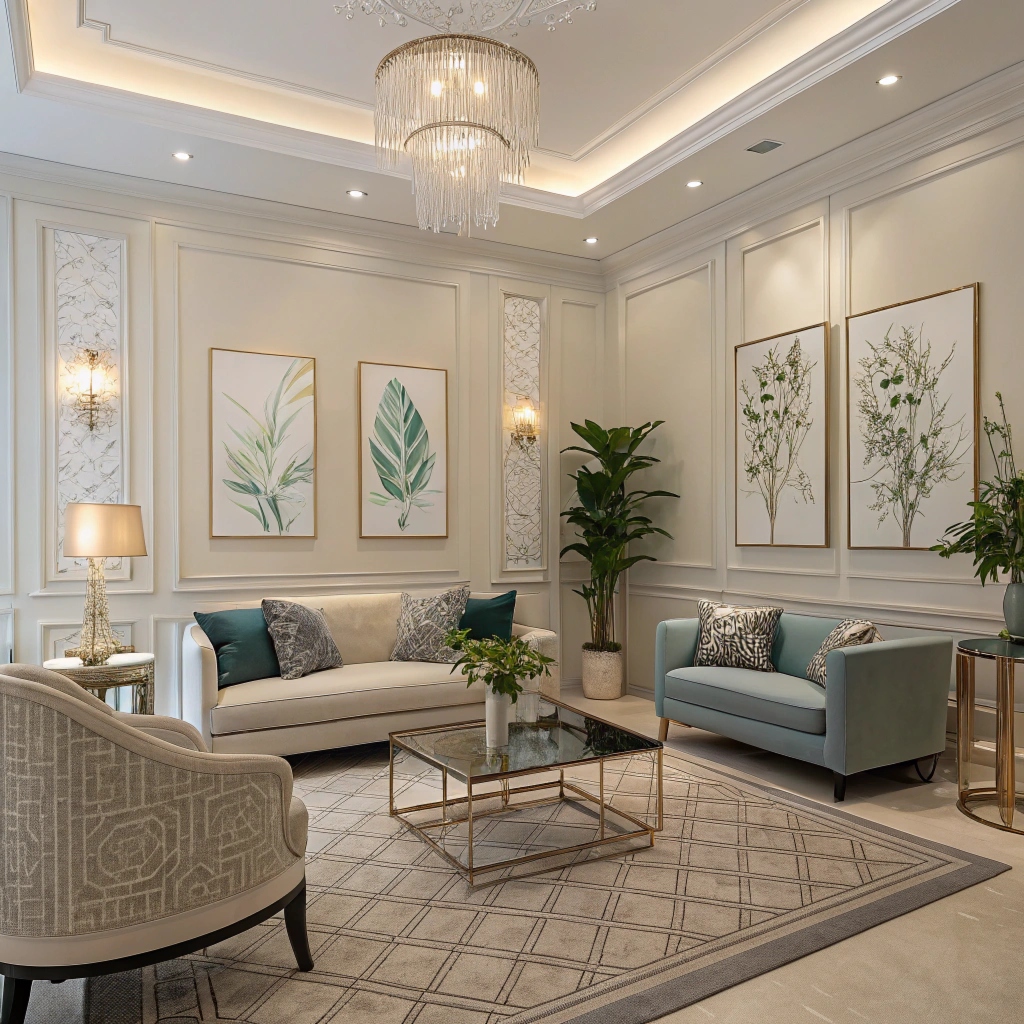
Editorial composition
Method
01

Initial Observation

We begin by spending time in the space, observing light, proportions, and existing character without immediately seeking to change.

02

Understanding Context

We consider the space's history, its relationship to surrounding areas, and how it functions in daily life.

03

Composition Development

Through careful consideration, we develop compositions that feel both intentional and effortless, working with the space's inherent qualities.

Begin a Conversation

If our approach to interior styling resonates with you, we welcome your inquiry. We work with clients who appreciate observational, editorial approaches to space and decoration.

Contact us